The concept of transforming one still photograph into a moving breathing image seemed to me like a magic trick, the type you would find in a behind the scenes film and think that it would have taken a one-room studio, a cup of coffee, and a few nondreamy nights. This term of the ai image to video is now slipped into the dialogues as natural as the discussion of the photo filters, but the effects are much larger. A single picture can lengthen its extremities, open mouth, wink and start to talk with movements, light, rhythm, and all of a sudden, story telling is not fixed to the wall, but it starts to walk, maybe even to run, right to the imagination of the viewer.
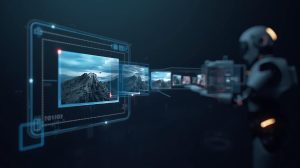
The strength of this strategy is that it reinvents images as moments that have not yet completed happening. A photograph is an interrupted sentence and not a period. Through the correct evokesions and a bit of patience, that line is kept going, with gestures, some slight camera work, and an emotional timing that is unnaturally deliberate. The outcome is usually a surprise even to the one who had the button pushed generate. It does not seem to press the buttons but it seems to work with an idea that is trying to go beyond the frame.
Between Static Frames and Emotional Motion
Emotion is the nearest acquaintance of motion. Even a minor angle of the camera can provide tension. Zooming slowly may speak of intimacy. The abrupt transition can bring the viewer to his senses. Even though the creator may have never operated a conventional editing timeline, image-to-video creation puts a great deal of reliance on these cinematic instincts. The system interprets the picture to provide hints such as the depth, lighting, and suggested movement, and constructs a sequence that does not seem to be disjointed but rather coherent. You can begin with the peaceful portrait, but the resultant clip falls gently with hair shifting with no wind, and the background vibrates with suppressed vitality.
This process alters the way the stories are planned. Most creators do not write first; in fact, starting with one visual idea, nearly like a dream fragment, is becoming commonplace. The story develops backward and forward out of that fragment. It is like having a tune in your head and coming up with lyrics to suit the tune. The image leads. The story follows. It is a relief to feel that inversion, particularly to people whose thoughts focus more on images than on emotions.
The Art of Storytelling Without Technique
The amount of technical strain needed is one of the silent revolutions in the case. You do not have to go through the theory of keyboard shortcuts, or act like a circus with layers. You define motion in simple terms. You adjust tone. You reroll when you get a bad vibe. It is a process that encourages experimentation and not error punishment. That liberty promotes the fun of risk-taking and it is usually in that area where the most recollection tales are found.
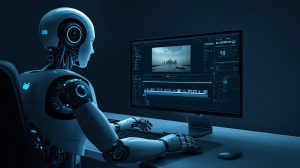
Directors who used to be afraid to animate as it seemed overwhelming now consider motion a sketchbook process. Try something strange. See what happens. Keep what works. Toss what doesn’t. This loop develops confidence quickly. It also results into unforeseen aesthetics, as individuals are not bounded into industry habits. A travel blogger may be inclined towards dreamlike reveries. A product narrator may prefer sharp, slow movement. A poet may pursue deliberate, unreal change that is like a half-remembered thought.
A New Vision of the Visual Narratives
The visual storytelling by visual to video tools brings in a new grammar. Rather than posing the question, What is the next scene? artists pose a question, How does this moment alter? The emphasis is no longer on sequence but transformation. Light changes. Perspective shifts. Objects become nearer or become far apart. These micro-changes are signifying, and usually more directly than talk or on-text overlay.
The fact of stillness turning into motion is something really human as well. It mirrors memory. The moments are remembered first in an image form then they begin to move with the emotions flooding. This technology exploits that way of thinking. One picture turns into a gateway. The created movement is like walking through it being inquisitive and not so sure what is on the other side.
Expressive Control No Micromanagement
It is the equilibrium between control and surprise in which the expressive storytelling likes to flourish. You control the atmosphere, though not choke it. You are the source of limits, but not space. Image-to-video creation is bright here. The system itself adds flavor to your nudging of pacing, camera behavior, or softening of transitions. It pushes you in the right direction that you had not intended sometimes.

This is more like what it takes to command an actor than machine program. You do not command all the muscles. You describe the mood. You set the scene. You trust the performance. It is this trust that prevents the process to be mechanical. It also makes creators occupied, as there is always some degree of anticipation when a clip renders. What will it do this time?
Where This Leaves Storytellers
To storytellers, it is an indication of the fact that the line between the creative and the expressive is becoming smaller. There are no longer any steps to do to translate feelings through layers of tools, until they are visible. You start with an image. You breathe motion into it. You share the result. It is a face-to-face experience; it is almost conversational, such as explaining an idea to someone, who then understands it and throws in a witty comment of his or her own.
Sora2 is seated in this area, but not in the limelight, instead in a pivot. It does not require itself to be paid. It allows the story to be in the limelight. It is that silent faith which makes image-to-video making seem less like a fashion and more of a natural progression of human thought, which already thinks in pictures, memories and movement.