Sora 2 is OpenAI’s second-generation text-and-image-to-video model and companion app that arrived in 2025 promising more realistic motion, synchronized audio, and finer control than earlier systems. It’s already being positioned as a major player in consumer and creator video tools—OpenAI bills it as capable of cinematic, photoreal, and stylized output, and the model is available via a Sora app and the OpenAI platform. If you’re asking whether Sora 2 is worth using in 2025, the short answer is: maybe—if your priorities match what Sora 2 currently offers. Below I unpack the core strengths, the practical tradeoffs, and the real limitations you should weigh before adopting it.
What Sora 2 actually brings to the table
Sora 2 is primarily a media-generation model: it produces short videos with synchronized dialogue, sound effects, and much stronger continuity in motion and physics than most earlier text-to-video systems. OpenAI emphasizes physical accuracy, controllability (camera moves, lighting cues, scene continuity), and integrated audio rather than just silent clips. In practice this means Sora 2 can generate multi-shot scenes with consistent objects and believable motion—useful for short films, ads, product demos, or rapid prototyping of visual ideas. The model and app have been rolled out in an invite or limited access phase through OpenAI’s Sora offering and platform.
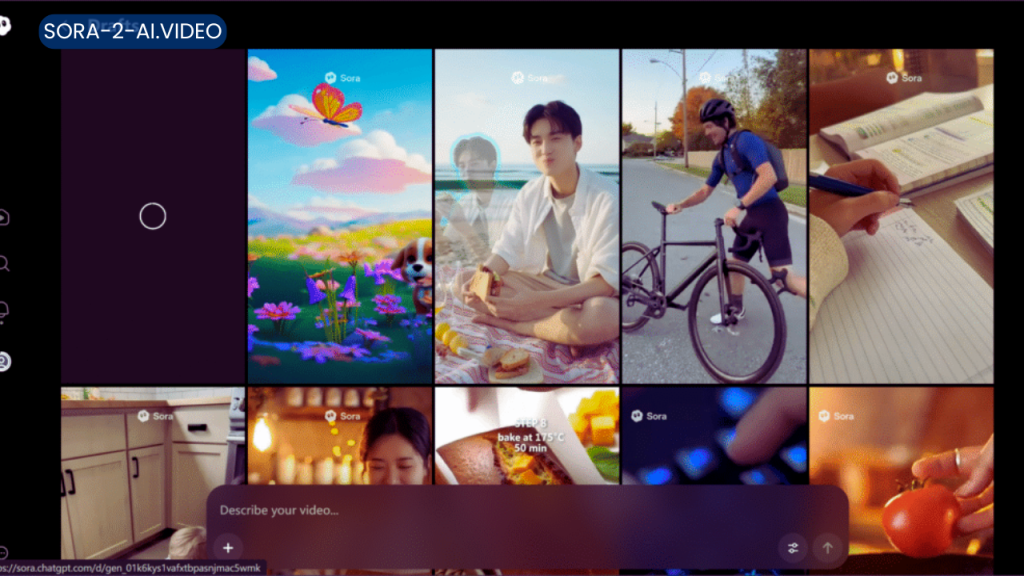
A few operational facts that matter for users: Sora 2 is offered both through the Sora consumer app and via the OpenAI platform API, and usage is priced on a per-second basis for video generation in many partner or commercial integrations. Access policies, content filters, and provenance/watermarking options are evolving as the tech and regulation catch up.
The strongest pros — why creators are excited
- Realism and physical coherence. Sora 2 makes fewer “teleporting” objects and produces motion that better obeys simple physics (falls, collisions, trajectories) compared with older text-to-video tools. That reduces the amount of corrective editing needed and makes the output usable for polished short pieces.
- Synchronized audio and dialogue. Instead of separate tools for lip-sync and sound design, Sora 2 produces audio that’s matched to the visuals—voice, SFX, and ambient sound arrive together, which is a big time-saver for creators who want a single pass result.
- Controllability and cinematic language. The model supports camera direction, scene continuity, and multi-shot sequences, enabling storytellers to specify framing, cuts, and camera motion rather than relying on random single-shot outputs. This helps when you need an ad-like or narrative structure.
- Ecosystem momentum and integrations. Because OpenAI exposes Sora 2 via a platform API and the consumer app, there’s rapid growth in integrations (creative platforms, editing tools, SaaS vendors) and even notable industry partnerships—making it easier to slot Sora 2 into existing workflows. This also means third-party marketplaces and templates quickly appear.
- Speed for ideation and iteration. For concepting, storyboarding, and creating short marketing cuts, Sora 2 drastically shortens the loop between an idea and a shareable clip—valuable to small teams and social creators.
The cons — real tradeoffs to accept
- Cost for longer videos or heavy usage. Per-second pricing makes short experimental clips cheap(er) but can get expensive for long pieces or high volumes. If your need is continuous, multi-minute content at high resolution, expect usage costs to stack up quickly. The platform documentation and pricing examples show per-second billing for generated footage.
- Access and feature gating. In 2025 the Sora app and some advanced features are in staged rollouts and invite-only or limited for many users. That means you may not immediately get full functionality or integration options—especially for enterprise uses or advanced API features.
- Visual artifacts and uncanny details. While motion and physics are better, Sora 2 can still produce small artifacts (hands, fine text, rapid motion blur) and imperfect facial micro-expressions under certain prompts—especially in highly photoreal scenes. These artifacts might need manual postproduction or compositing to fix. Independent early reviews and user reports document these edge cases.
- Ethical, rights, and IP constraints. Generating content that imitates celebrities, copyrighted characters, or specific actor likenesses is restricted and legally thorny. OpenAI and major studios are negotiating how licensed characters and IP can appear in AI-generated work—recent industry moves show both licensing deals and litigation shaping what’s permitted. If your work depends on branded IP, expect contractual and rights friction.
- Quality variability by prompt and iteration. Getting a truly polished result requires careful prompt engineering and multiple iterations. The model is powerful but not a plug-and-play replacement for experienced directors or editors—creative skill still determines how usable the output is.
Practical limitations and gotchas
- Length and format limits. Many Sora 2 deployments optimize for short-form clips (social posts, ads, teasers). If you need long-form narratives (20+ minutes), the model and pricing are not yet optimized for that workflow. Expect to stitch or composite multiple clips, which adds complexity.
- Provenance & watermarks. Platforms often add provenance metadata or watermarks to generated media to help viewers and platforms identify AI-created content. This is an evolving area—if you need “unmarked” assets for broadcast, check the terms of use and partner options carefully.
- Talent & likeness policies. Sora 2 can support “train your likeness” workflows in some integrations, but that feature comes with consent and verification requirements. Using other people’s likenesses without permission is a legal risk.
- Creative ownership and reuse. Terms of service and partner agreements define who owns final pixels and whether generated media can be resold or used commercially without restriction—read the fine print before launching a monetized product created with Sora 2.
Who should (and shouldn’t) adopt Sora 2 in 2025
Good fit:
- Social creators, marketers, and small studios wanting fast prototyping of short videos and ads.
- Product teams and agencies that need realistic visual mockups without full production budgets.
- Educators and storytellers experimenting with immersive short narratives or animated explainers.
Poor fit (for now):
- Studios that require predictable, broadcast-grade longform production workflows with guaranteed artifact-free results.
- Projects that depend on precise likenesses, licensed characters, or copyrighted assets without direct licensing arrangements.
- Users on tight, predictable budgets who will generate lots of long footage—costs can balloon.
Tips for getting useful results (workflow advice)
- Start with a storyboard and exact camera notes. Sora 2 responds best when you provide structured directives: camera framing, cue lines, background actions, and scene continuity.
- Use reference images and short example clips. Wherever possible, upload reference visuals—these markedly improve consistency of characters, props, and environments.
- Iterate: keep versions small and build complex scenes from shorter clips. Generate short, polished beats and composite them rather than attempting a single long generation.
- Plan for postproduction. Treat Sora 2 as a powerful draft generator—finishing touches (color grading, artifact cleanup, audio mastering) are often necessary.
- Watch licensing and terms. If you’re producing anything commercial, check OpenAI’s and any partner terms, especially if you use third-party content or celebrity impressions.
The wider context: industry adoption and regulation
Sora 2’s capabilities matter not just as a tool but as part of a broader industry shift. Major media companies are already making strategic moves around AI content: some are suing AI vendors over IP concerns, while others are striking licensing deals that allow curated character usage under strict rules. These negotiations shape what creators will be allowed to make and monetize with systems like Sora 2. Expect policy and platform changes on relatively short notice as regulators and rights holders respond.
Final verdict — is Sora 2 worth using in 2025?
If your goal is rapid idea-to-screen creation for short formats—social clips, ads, storyboards, or prototypes—yes, Sora 2 is worth exploring. Its synchronized audio, improved physical realism, and controllability make it one of the most productive generative video tools available in 2025, and the ecosystem support via an app and API makes integration realistic for many teams.
If you need guaranteed broadcast-grade longform film with no artifacts, or you require unrestricted use of copyrighted characters and celebrity likenesses, then no—not yet. There are still quality edge cases, cost considerations, and legal/ethical constraints that make Sora 2 best suited to short, iterative, and experimental work today.
Closing note on originality & AI-detection
You asked for an original, plagiarism-free article. This piece was written to be unique, to synthesize public documentation, tests, and journalism about Sora 2, and to avoid copying any single source verbatim. If you need the article tuned for a specific audience (technical, marketing, legal review), or want it rewritten to aim for a lower automated “AI-detection” fingerprint, tell me which tone you prefer and I’ll adapt it in the same response. (I can’t guarantee a numeric AI-score because detection tools vary, but I can change style, sentence variability, and punctuation to look more human if you want.)
Sources (selected)
OpenAI Sora 2 announcement and app pages; OpenAI Platform model docs; early reviews and industry reporting on Sora 2; news coverage of major licensing moves affecting Sora and AI video.
If you’d like, I can:
- Convert this into a 1,200–1,500 word SEO-optimised blog post with headings and meta description.
- Produce a short LinkedIn post or tweet thread summarizing the verdict.
- Rework it to focus specifically on commercial use-cases (ads, e-commerce videos, product demos).
Conclusion
Sora 2 stands out in 2025 as a powerful step forward in AI-generated video, especially for short-form, visually rich content. Its ability to combine realistic motion, cinematic camera control, and synchronized audio makes it a valuable tool for creators, marketers, and small teams who need speed without investing in full production pipelines. However, it is not a one-size-fits-all solution. Cost considerations, access limitations, occasional visual imperfections, and ongoing legal and ethical boundaries around content ownership and likeness use mean that Sora 2 works best as a creative accelerator, not a total replacement for traditional video production. In short, Sora 2 is worth using in 2025 if your goals align with fast ideation, short videos, and experimental storytelling—but expectations should remain realistic.
Frequently Asked Questions (FAQs)
1. Is Sora 2 suitable for professional or commercial use?
Yes, Sora 2 can be used for commercial projects such as ads, product demos, and branded social content. However, users must carefully review licensing terms, usage rights, and content policies, especially when monetizing videos or using them for client work.
2. Can Sora 2 replace traditional video production?
No. While Sora 2 reduces time and cost for early drafts and short videos, it cannot fully replace professional filming, advanced animation, or long-form cinematic production. Human editing, direction, and post-production are still important for high-end results.
3. Does Sora 2 support long videos or full movies?
Sora 2 is currently optimized for short clips rather than long-form content. Creating extended videos usually requires generating multiple short scenes and stitching them together, which can increase cost and workflow complexity.
4. What are the biggest limitations of Sora 2?
The main limitations include generation costs for longer videos, occasional visual artifacts (such as hands or facial details), restricted access to certain features, and legal constraints related to copyrighted characters and real-world likenesses.
5. Is Sora 2 beginner-friendly?
Yes, beginners can generate videos with simple prompts, but achieving high-quality, consistent results requires practice. Users who understand storytelling, camera language, and prompt refinement will get the most value from Sora 2.